For companies and teams

AI that actually arrives in your team’s day.

“We have to do something with AI. I just don’t know where, and I don’t have the time.” I hear that sentence from managing directors almost word for word.

We build the two or three things that noticeably give your team time back. Afterwards your people run them, not me.

I’m Mario Fraune, AI sparring partner based in Vienna.

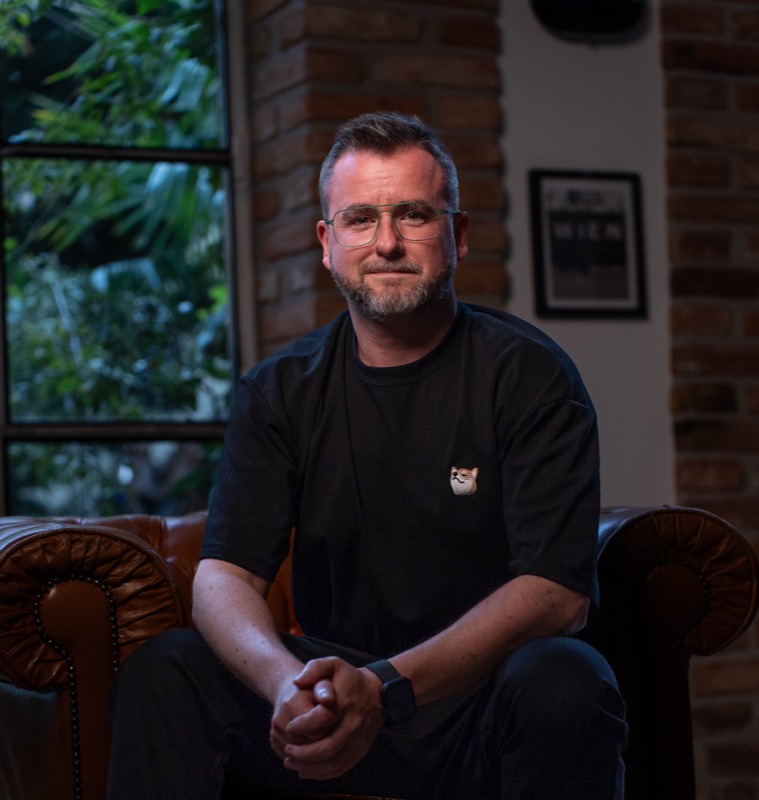
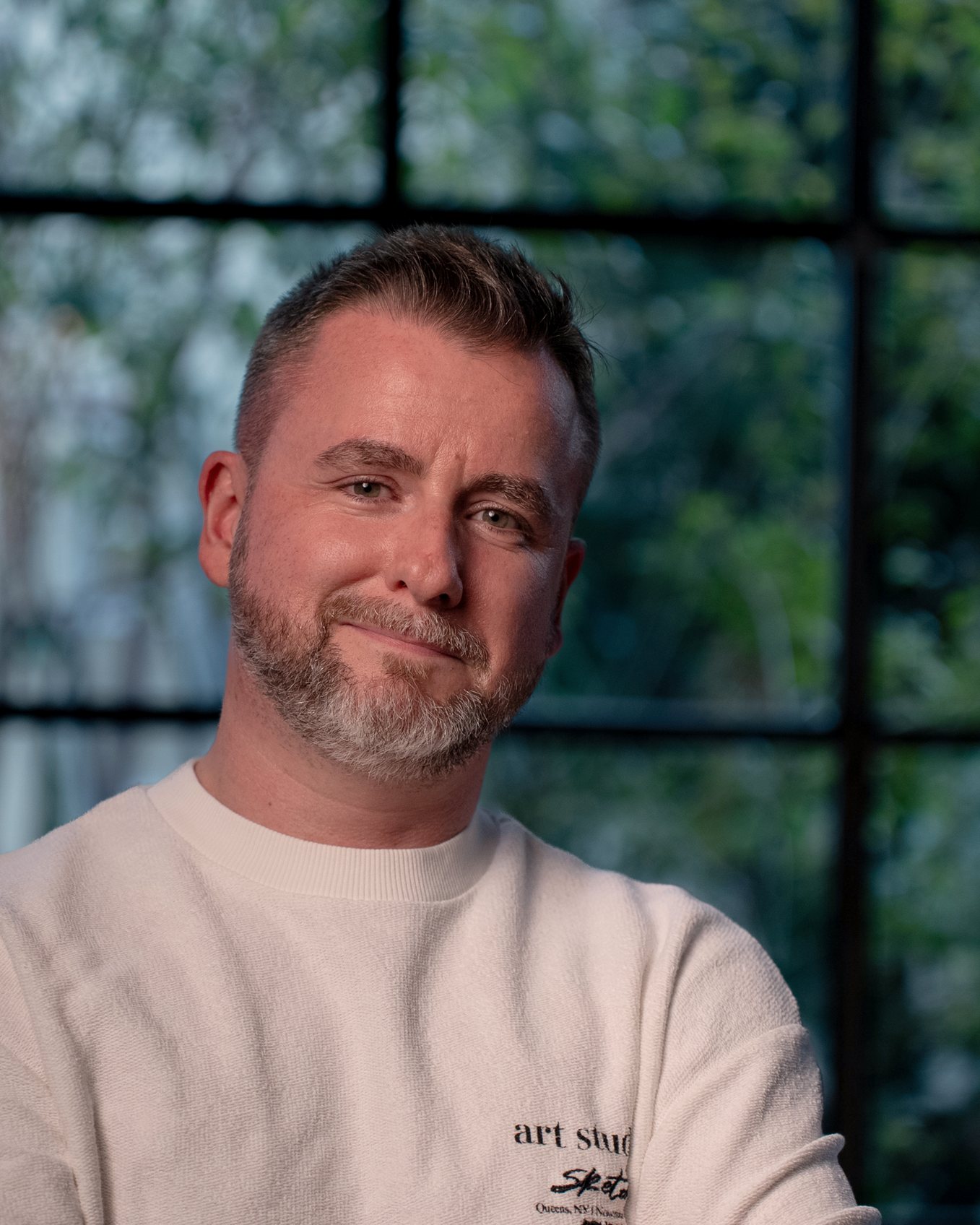
Mario Fraune, AI sparring partner based in Vienna, by a window
Mario Fraune · KI mit Plan · Vienna
  • R+V Versicherung
  • Telefónica
  • BASF
  • Boehringer Ingelheim
  • AOK
  • Vivantes
  • Helios
  • Viessmann
  • Leica Camera
  • GSW
  • eRecht24
  • SAVISCON

What I see in companies

Throw AI at chaos and you scale the chaos.

If a process somehow worked before, it will somehow work faster afterwards. It is not the technology that is to blame, it is the step that was skipped before it: rethinking your own system with the possibilities of AI, instead of speeding up the old paths.

Miniature figures carrying a rolled document through a canyon of ring binders, one of them red
AI-generated
The distance

As a company grows, the paths get longer.

That is normal: whoever hands out tasks loses sight of details that everyone used to know. An example from my work: someone has been working for months without the paid version of their most important tool, while elsewhere a new system is being considered.

The follow-up

The time drain usually sits one step further down.

The request is: we need AI for this and that. But the time rarely goes into the first result, it goes into what happens to it afterwards: the follow-up, the handover, the correction loop. Two hours a day into emails, because there is no template for the cases that keep repeating.

The unchecked rule

“That is not possible here because of data protection.”

Sometimes it is true. Often nobody has looked in years to see whether it still holds today. An old caution has turned into a rule, and the rule blocks a topic that has long been solvable.

How I work: understand the system first, then build.

“Good design is actually a lot harder to notice than poor design, in part because good designs fit our needs so well that the design is invisible, serving us without drawing attention to itself.”

Don Norman, author of “The Design of Everyday Things”

This is what a result looks like.

Typical starting points from my work, each with what we built and what was different afterwards.

Starting point Intervention Result

Team · eight people

Starting point
The knowledge sits in three heads and in old chat histories.
Intervention
A searchable knowledge base set up, two weeks of guidance.
Result
The new colleague can answer questions after three days instead of three weeks.

Agency · twelve people

Starting point
Every proposal is written from scratch, although eighty percent is always the same.
Intervention
A proposal assistant built on their own building blocks.
Result
The first draft is ready in minutes. Review and signature still happen by hand.

SME · thirty people

Starting point
Three departments, three ideas of what AI is supposed to do here.
Intervention
One compass call, then two processes built instead of five planned.
Result
Two processes run, the team maintains them itself, and there is a list of what comes next.

Service firm · twenty people

Starting point
AI has been in use for a while, everyone with their own account and their own rules.
Intervention
Accounts, data processing agreements and three rules of thumb on one page, explained in a workshop.
Result
Everyone works to the same rules, and the data protection question in client meetings has an answer.

Engineering office · ten people

Starting point
After every coordination meeting someone writes the minutes, usually days later.
Intervention
A process built that turns the recording into minutes and a task list inside one template.
Result
The minutes go out the same day, and nobody has to dig for who promised what.

Your result is missing

Next step
In the compass call we sort out in 30 minutes what comes first for you.

Book a compass call

From the first call to a process that runs without me.

  1. Compass call

    You tell me how work happens at your company and where it gets stuck. At the end you have an assessment of where your first sensible step is. Whether you take it with me is your decision afterwards.

    What your team puts in 30 minutes, once Just you, nobody else.

  2. Looking at your system

    I look at how work really happens at your company: where somebody waits for somebody else, what holds your people up every day. Out of that comes a sorted list of what pays off first, often a shorter one than expected.

    What your team puts in One conversation per area involved The people who run the process day to day.

  3. Building it together

    We take one core process and set it up again with AI: built together, documented, your team trained on it. Your people are in the room instead of being handed a finished system at the end.

    What your team puts in About two weeks of guidance The same people as in step 02.

  4. Anchoring it in the team

    What is built goes into the team: practised on real tasks from your company, not on examples from a template. Accounts, data processing agreements and a few rules of thumb end up on one page.

    What your team puts in Half a day or a full day Everyone who will work with it afterwards.

  5. Running it without me

    The process runs, your team maintains it itself, and there is a list of what comes next. If you want me to stay in the background, you keep me as your external AI lead: monthly, and cancellable monthly.

    What your team puts in No fixed effort after that The process belongs to you.

Data protection, considered from the start.

Three ways, depending on how deep we go.

Which one fits you is something we clarify in the first conversation. I will not commit before that, because I do not yet know where your lever sits.

Entry

Workshops

Your team works on real tasks from your company, not on examples from a template. I prepare the cases with you beforehand. As a half-day or full-day format, remote or on site with you.

One process

Focus project

We take one core process and set it up again with AI: built together, documented, your team trained on it. At the end there is a before-and-after look at the time the process used to cost and the time it costs now.

Long-term

Ongoing support

Your external AI lead, without creating a position: strategy, tool decisions, questions from the team, implementation. Monthly, and cancellable monthly.

What a format costs is something I tell you after the first conversation: one price, everything included, preparation and travel as well. No hourly lists, no add-ons.

Book a compass call now

From my own experience

Your process, not mine.

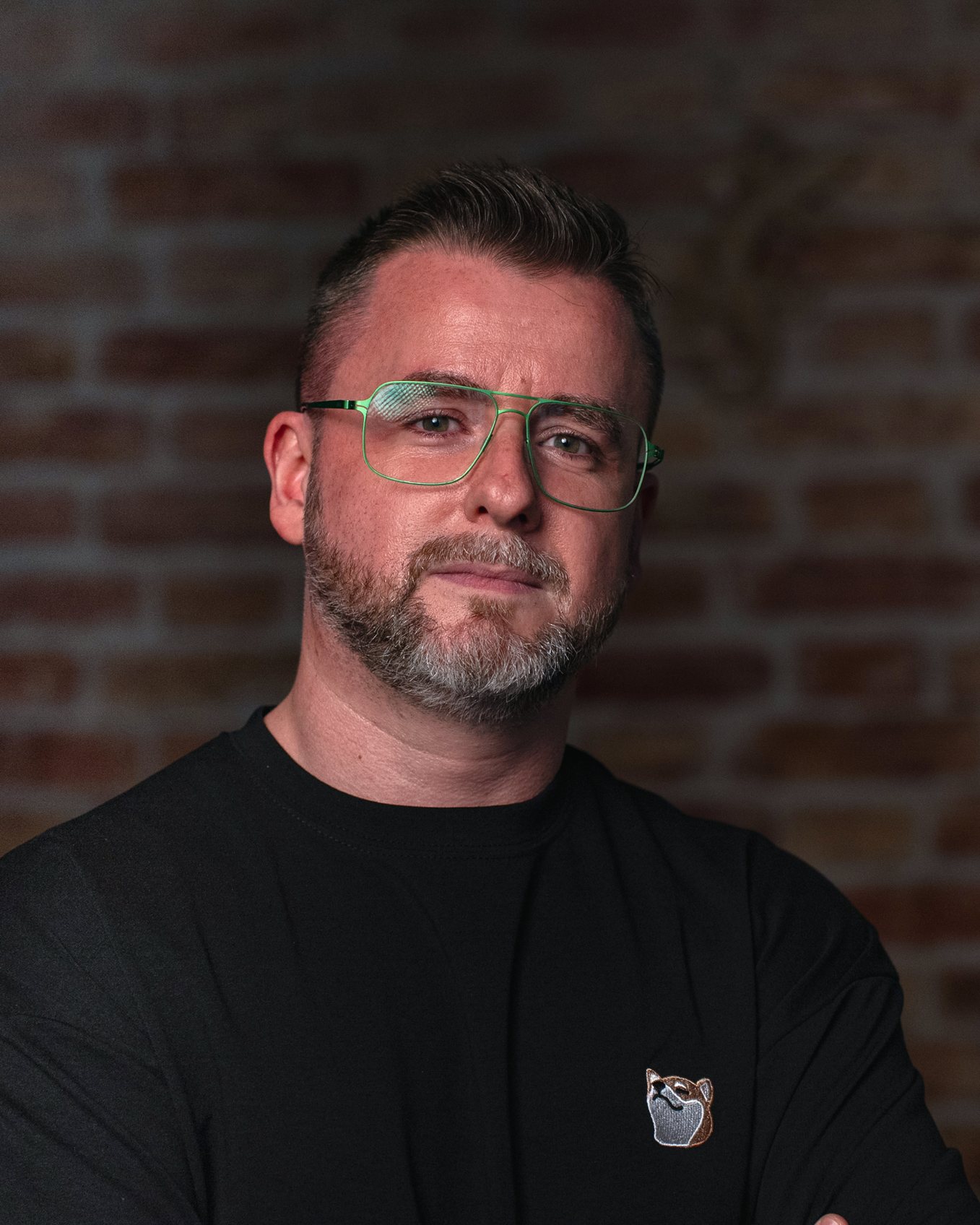
Mario Fraune in front of a brick wall
Not a stock photo. Actually me.

I’m Mario.

For more than fifteen years I built digital products, most of that time as a UX designer. Back then many people thought it was about making interfaces prettier.

At its core it was always about understanding what someone needs at a given moment. Which means asking a lot of questions and challenging existing systems, especially the ones everyone takes as given.

With AI it is the same, only with higher stakes. Anyone who simply makes the old paths faster misses the actual point.

“You have already heard the standard answer 30 times.
I am the call after that.”

The moment it got me

It started with a documentary about a game of Go: the machine makes a move nobody in the room understands, and the player later calls it beautiful.

Calm and consistent towards one goal: that is how I have gone into every project since. We want to win by a mile, and that wish narrows the strategy before the first move is made. Half a point is enough for the machine, so it calmly plays forty moves ahead.

The documentary is called AlphaGo and is on YouTube for free.

My own workshop

For a year and a half I have been building a system that carries the larger part of my own business. I do not sell you anything I do not use myself every day.

Home is Vienna, the work happens remotely across the German-speaking region. For workshops I come to you.
Four reasons I am the right fit

I know the market in its breadth

I keep trying out whatever is new and watch which of it holds up. So you get the solution that fits your process, not the one everybody happens to be talking about.

Your team can run it afterwards

Nobody at your company has to write a line of code for it. Anyone who wants to know what is going on under the hood can look in with me. We do that together.

I build things that actually get used

For fifteen years it was my profession to watch people work and understand why a tool ends up unused. So I ask first where the time burns, and only then which technology is a candidate.

I know what happens in a group when something changes

I have built and led a team myself, from newcomers to colleagues with decades of experience. That is not something I learned in a seminar.

Whether we are a fit is something we find out in 30 minutes.

Your compass call

What managing directors ask me first.

From workshops, webinars and calls. Answered briefly.

Which AI use cases actually pay off in smaller companies?

Almost always the same two patterns. First: speeding up routine texts, meaning proposals, emails, minutes. 45 minutes become 8. Second: making your own knowledge searchable, meaning contracts, projects and instructions as a queryable knowledge base. Unsexy, but exactly these two make the difference for my clients.

Why done-with-you? We would rather just have it done.

Because otherwise you end up with a system nobody at your company understands, and a service provider you will never get rid of. If we build it together, both belong to you afterwards: the process and the ability to build the next one yourselves.

Do you work remotely or on site?

Remote is the default, and it works excellently for sparring and workshops. For team workshops I also come on site, anywhere in the DACH region. Travel costs are part of the flat price, not a separate invoice.

What does working together cost?

I will tell you after the first conversation, as a flat price: one price, everything included, preparation and travel as well. No hourly lists, no add-ons. Any number before that would be guesswork, because I do not yet know where your lever sits.

How we start

One conversation, then you know where you stand.